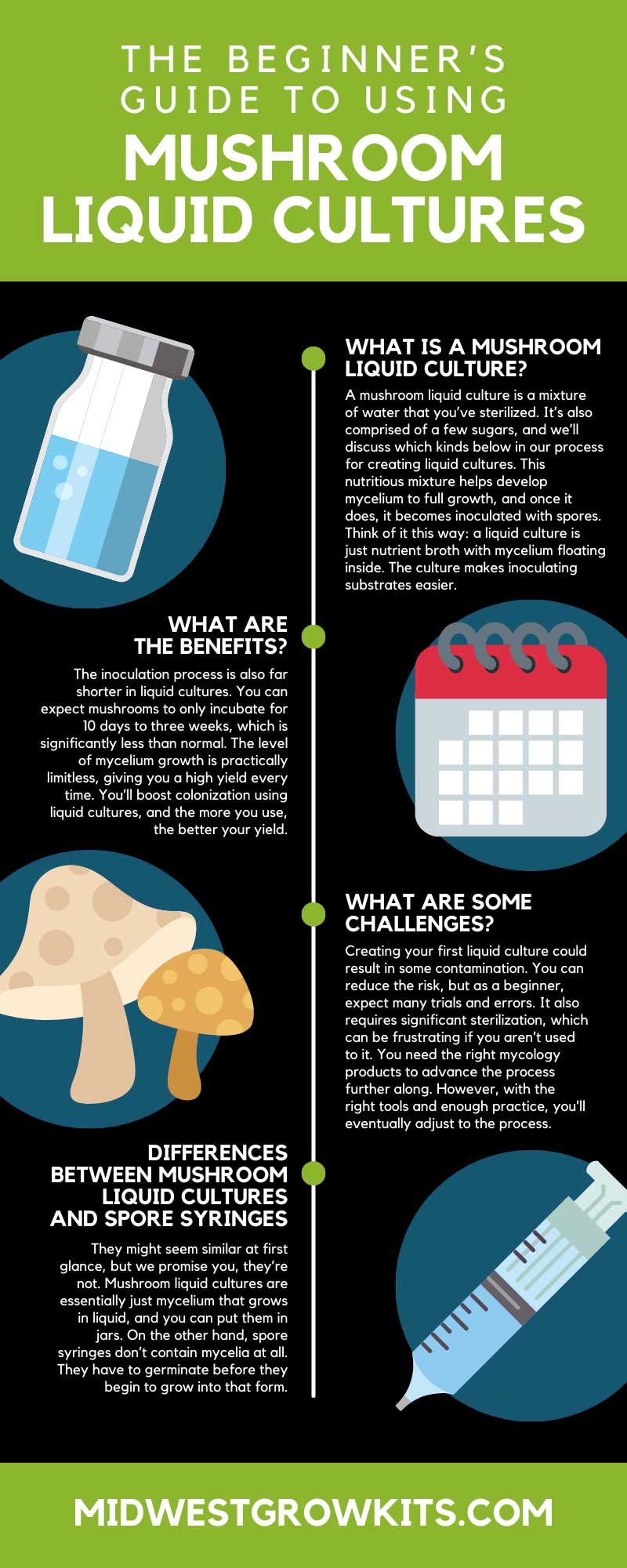
Liquid culture typically lasts around 2-4 weeks when stored properly. However, various factors can influence its longevity. Whether you are a beginner or seasoned cultivator, understanding how long liquid culture lasts is crucial for your mycology projects. In this article, we’ll delve into the key components that determine the lifespan of liquid culture. Join us as we explore the science behind maintaining the viability of liquid culture and maximizing its shelf life. Let’s uncover the secrets to preserving your liquid culture effectively.

How Long Does Liquid Culture Last: Exploring Shelf Life and Preservation
Welcome, my curious minds! Today, we embark on a fascinating journey into the world of liquid culture and its lifespan. If you’ve ever wondered about the longevity of liquid culture and how to make it last, you’re in the right place. Join me as we dive deep into the science behind liquid culture preservation and uncover the secrets to extending its shelf life.
The Basics of Liquid Culture
Before we delve into the nitty-gritty of how long liquid culture lasts, let’s first understand what liquid culture is all about. Liquid culture, often used in microbiology and mycology, is a nutrient-rich solution that provides an ideal environment for the growth and proliferation of microorganisms like bacteria, fungi, and yeast. It is commonly used to cultivate and maintain cultures for research, experimentation, and production purposes.
Factors Affecting the Shelf Life of Liquid Culture
Now, let’s get to the heart of the matter – how long does liquid culture last? The shelf life of liquid culture can vary based on several factors. Let’s explore some of the key determinants that influence the longevity of liquid culture:
1. Storage Conditions
The way you store your liquid culture plays a crucial role in determining its shelf life. Optimal storage conditions typically involve maintaining a consistent temperature, avoiding exposure to direct sunlight, and preventing contamination. Proper ventilation and humidity levels are also essential for preserving the viability of the culture.
2. Nutrient Composition
The nutrient composition of the liquid culture medium can impact its longevity. A well-balanced nutrient solution that provides essential nutrients for microbial growth can help prolong the shelf life of the culture. It’s important to ensure that the medium is fresh and free from any contaminants that could compromise the health of the culture.
3. Microbial Strain
The type of microorganism being cultured also plays a significant role in determining how long the liquid culture will last. Different strains have varying tolerances to environmental conditions and nutrient availability, which can affect their longevity. Some strains may have a shorter lifespan than others, so it’s essential to consider the specific requirements of the microbe when aiming to extend the culture’s shelf life.
Extending the Shelf Life of Liquid Culture
Now that we’ve covered the factors influencing the lifespan of liquid culture, let’s discuss some practical tips for extending its shelf life:
1. Proper Sterilization
Ensuring proper sterilization of all equipment, containers, and nutrient solutions is crucial for preventing contamination and prolonging the viability of the liquid culture. Use sterilization techniques such as autoclaving or filtration to maintain a sterile environment throughout the culturing process.
2. Regular Maintenance
Regular monitoring and maintenance of the liquid culture can help identify any signs of contamination or nutrient depletion early on. Conduct routine checks for growth patterns, color changes, or unusual odors that may indicate a decline in culture health. Make necessary adjustments to the nutrient composition or environmental conditions to optimize the culture’s longevity.
3. Temperature Control
Temperature plays a critical role in the growth and survival of microorganisms in liquid culture. Maintaining a stable temperature within the optimum range for the specific microbial strain being cultured is essential for extending the shelf life of the culture. Avoid drastic temperature fluctuations that could stress or kill the microorganisms.
4. Aseptic Techniques
Employing aseptic techniques throughout the culturing process is vital for preventing contamination and preserving the purity of the liquid culture. Practice proper hygiene, wear protective gear, and work in a clean, controlled environment to minimize the risk of introducing unwanted microbes that could compromise the culture’s viability.
As we conclude our exploration into the shelf life of liquid culture, we’ve uncovered the essential factors that influence how long liquid culture lasts and learned valuable tips for extending its viability. By understanding the importance of storage conditions, nutrient composition, microbial strains, and proper maintenance practices, you can enhance the longevity of your liquid cultures and achieve successful culturing outcomes.
Remember, the key to preserving liquid culture lies in diligence, attention to detail, and a passion for the microbial world. So go forth, experiment, and nurture your liquid cultures with care. May your cultures thrive and flourish for as long as your curiosity drives you!
Until next time, happy culturing!
How Long Is a Liquid Culture Good? 🍄🧪 #mushroom #farmer #farming #mushrooms #mycology #fungi
Frequently Asked Questions
How long can liquid culture be stored?
Liquid culture can typically last for several months if properly stored. The exact duration can vary based on the type of liquid culture, storage conditions, and contamination risk. It is recommended to use the culture within 3-6 months for optimal efficacy.
What factors can affect the shelf life of liquid culture?
The shelf life of liquid culture can be influenced by various factors such as temperature, light exposure, contamination, and the specific formulation of the culture medium. It is important to store the culture in a cool, dark place to extend its viability.
Can liquid culture be preserved for long-term storage?
While liquid culture can be preserved for several months, long-term storage may require additional methods like freezing or lyophilization (freeze-drying) to maintain its viability over extended periods. Consult specific protocols or experts for preserving liquid culture for prolonged storage.
Final Thoughts
In conclusion, the longevity of liquid culture depends on various factors. Proper maintenance and storage conditions are key in determining how long liquid culture lasts. Regular monitoring and timely use can help maximize the shelf life of liquid culture. Remember to always check the expiration date and adhere to recommended guidelines for optimal results. So, how long does liquid culture last? It ultimately depends on handling and care practices.