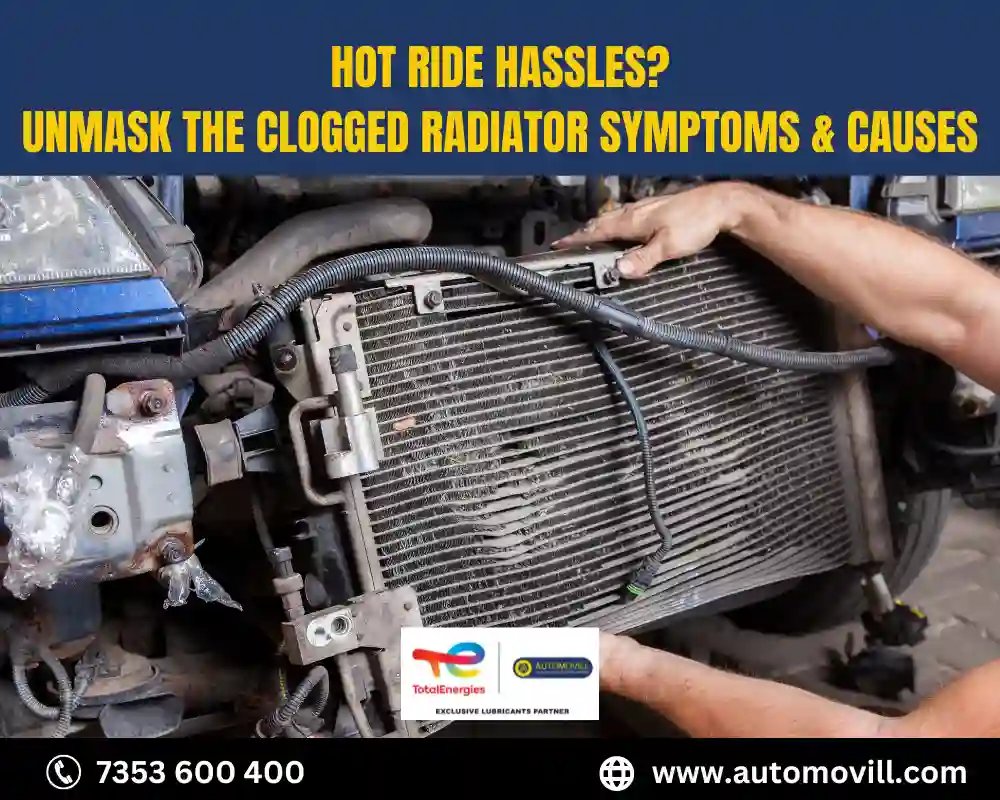
A clogged radiator can lead to a host of issues, from overheating to poor heating performance in your vehicle. Wondering how to tell if a radiator is clogged? Keep an eye out for signs such as consistently high engine temperatures or coolant leaks. In this article, we will explore simple yet effective methods to diagnose a clogged radiator and discuss easy solutions to keep your vehicle running smoothly. Let’s dive in and uncover the secrets to identifying and fixing a clogged radiator.

How to Tell If Radiator Is Clogged
Introduction
Imagine waking up on a chilly morning, ready to start your day, only to find that your car heater is blowing cold air. One of the reasons this might happen is that your radiator is clogged. But how can you tell if your radiator is indeed clogged? In this comprehensive guide, we’ll explore the signs and symptoms that indicate a clogged radiator, what causes it, and how you can prevent it from happening again. Let’s dive in!
Understanding Your Car’s Radiator
Before we delve into how to spot a clogged radiator, let’s first understand what a radiator does. A radiator is a crucial component of your vehicle’s cooling system. It helps regulate the engine’s temperature by dissipating heat generated during the combustion process. When the radiator is clogged, it obstructs the flow of coolant, leading to inefficient cooling and potential engine damage.
Signs Your Radiator Might Be Clogged
1. Overheating
One of the most common signs of a clogged radiator is engine overheating. If you notice your temperature gauge climbing into the red zone or if steam starts billowing from under the hood, it’s a clear indication that your radiator might be clogged.
2. Cold Air from the Heater
When a radiator is clogged, it restricts the flow of hot coolant to the heater core. As a result, you might experience cold air blowing from your car’s vents even when the heater is on. This can be particularly frustrating during winter months.
3. Low Coolant Levels
If you frequently find yourself topping up the coolant in your car, it could be a sign of a leak or a clogged radiator. A clog prevents the coolant from circulating properly, leading to its depletion over time.
4. Visible Rust or Debris
Inspecting your radiator for visible rust, dirt, or debris can also give you clues about its condition. If you notice buildup in the radiator, it’s likely impeding the flow of coolant and needs to be addressed.
How to Confirm If Your Radiator Is Clogged
If you suspect that your radiator is clogged based on the signs mentioned above, there are a few DIY methods you can use to confirm your suspicions.
1. Check the Coolant Color
Start by inspecting the color of your coolant. Fresh coolant is usually bright green, orange, or pink. If you notice a muddy or rusty color, it could indicate contamination from a clogged radiator.
2. Feel for Cold Spots
After your car has run for a while, carefully feel the surface of the radiator. If you notice cold spots, it means that the coolant is not circulating properly, which could be due to a clog.
3. Conduct a Coolant Flush
Performing a coolant flush can help dislodge any debris or buildup in the radiator. Follow your vehicle manufacturer’s recommendations for flushing the coolant system to ensure optimal performance.
Causes of Radiator Clogs
1. Contaminants
Contaminants such as dirt, dust, and rust particles can accumulate in the radiator over time, leading to clogs. This is why it’s essential to flush your cooling system regularly.
2. Mineral Deposits
Mineral deposits from hard water can also contribute to radiator clogs. These deposits hinder the flow of coolant, affecting the radiator’s efficiency.
3. Lack of Maintenance
Neglecting routine maintenance, such as changing the coolant and inspecting the radiator, can result in clogs. Regular maintenance helps prevent issues like clogged radiators and ensures your car runs smoothly.
Preventing Radiator Clogs
1. Regular Inspections
Make it a habit to inspect your radiator for any signs of rust, debris, or leaks. Catching issues early can prevent clogs from developing.
2. Flushing the Cooling System
Follow your vehicle manufacturer’s guidelines for flushing the cooling system. This process helps remove any contaminants that could lead to clogs.
3. Using Coolant Additives
Consider adding coolant additives to your radiator. These products can help prevent corrosion, reduce mineral deposits, and maintain the efficiency of your cooling system.
In conclusion, a clogged radiator can spell trouble for your vehicle’s cooling system and engine. By knowing the signs of a clogged radiator, understanding its causes, and taking preventive measures, you can ensure that your car runs smoothly and efficiently. Remember to keep up with regular maintenance to avoid costly repairs down the road. If you suspect your radiator is clogged, don’t hesitate to address the issue promptly. Your car will thank you for it!
Remember, maintaining your vehicle’s radiator is key to keeping your engine cool and your car running smoothly. Keep an eye out for the signs mentioned in this guide, and take proactive steps to prevent radiator clogs. Your car will thank you with years of reliable performance!
SYMPTOMS OF A CLOGGED RADIATOR THAT IS ABOUT TO FAIL
Frequently Asked Questions
What are the symptoms of a clogged radiator?
Signs of a clogged radiator include overheating of the engine, reduced or uneven heating in the cabin, low coolant levels despite no visible leaks, and a visibly dirty or rusty radiator fluid.
How can I check if my radiator is clogged?
You can perform a visual inspection by looking for any visible debris or contaminants in the radiator and checking for rusty or discolored coolant. Another method is to use an infrared thermometer to check for uneven temperatures across the radiator surface, indicating potential blockages.
Can a clogged radiator cause engine damage?
Yes, a clogged radiator can lead to engine damage by causing overheating, which can result in a blown head gasket, warped cylinder head, or even a seized engine if left unresolved for an extended period.
How often should I flush my radiator to prevent clogs?
It is recommended to flush your radiator and replace the coolant every 2-5 years or as per the manufacturer’s guidelines to prevent clogs and ensure optimal cooling system performance.
Final Thoughts
In conclusion, identifying a clogged radiator is crucial for maintaining a healthy cooling system in your vehicle. Signs such as overheating, reduced heat output, and uneven cooling indicate a potential radiator blockage. Regular maintenance, including checking for these symptoms, can help prevent costly repairs and ensure optimal performance. Remember, knowing how to tell if a radiator is clogged can save you time and money in the long run.