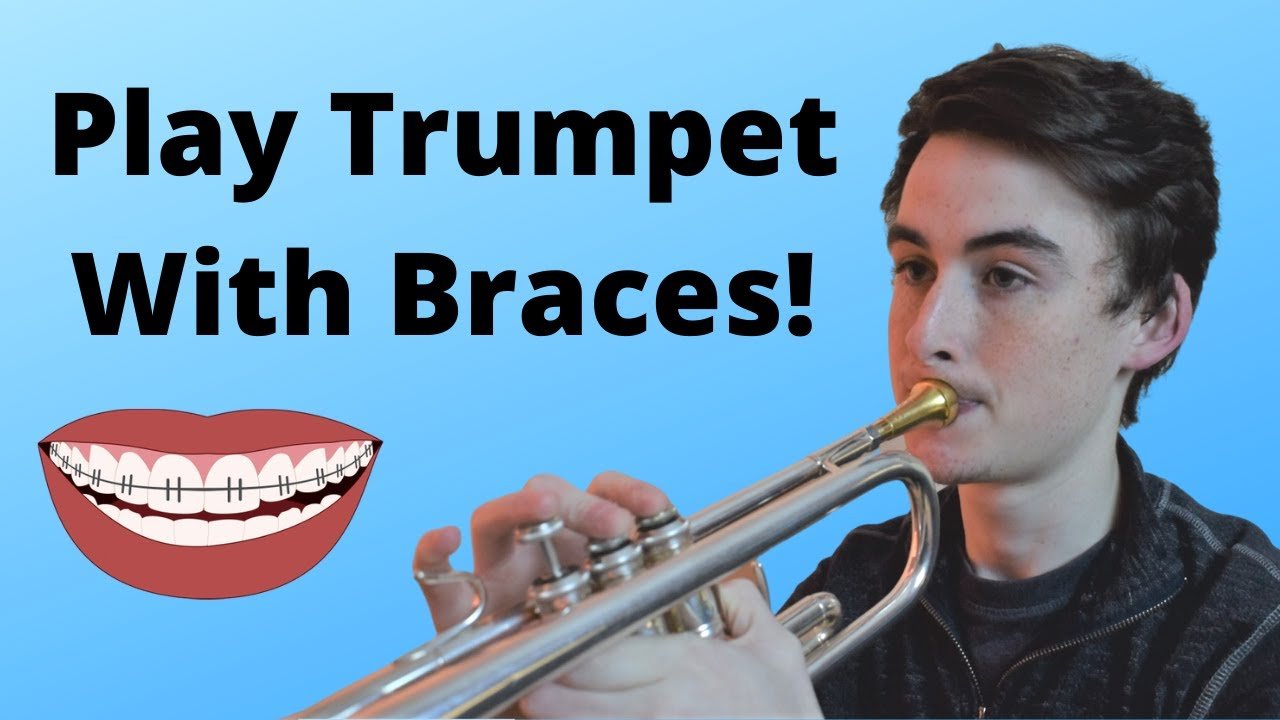
Playing trumpet with braces can be challenging, but with proper technique and adjustments, it’s absolutely possible. The key lies in finding the right mouthpiece and making minor adaptations to your embouchure. Maintaining good oral hygiene is crucial to prevent discomfort while playing. Additionally, regular practice and patience are essential in mastering how to play trumpet with braces. Let’s dive into some practical tips to help you navigate this musical journey smoothly.

How to Play Trumpet with Braces
Learning to play the trumpet is an exciting journey that can be both challenging and rewarding. If you wear braces, you might face some additional hurdles when it comes to playing this instrument. But fear not! With the right techniques and a positive attitude, you can still excel at playing the trumpet even with braces. In this comprehensive guide, we will explore tips and tricks to help you navigate playing the trumpet while wearing braces.
Understanding the Challenges
Braces can pose some challenges for trumpet players, especially in terms of embouchure and overall comfort while playing. The metal brackets and wires can affect how your lips come together to produce sound and may cause discomfort or irritation. It’s essential to be aware of these challenges and learn how to overcome them effectively.
Proper Mouthpiece Placement
One of the key aspects of playing the trumpet with braces is ensuring proper mouthpiece placement. With braces, your lips might not be able to close as tightly around the mouthpiece, which can impact your sound quality. To compensate for this, focus on positioning the mouthpiece slightly higher on your lips to maintain a good seal and produce a clear tone.
Tip: Experiment with different mouthpiece placements to find what works best for you. Make adjustments based on comfort and sound quality.
Building Stronger Embouchure
Braces can affect the strength and flexibility of your embouchure, which is crucial for playing the trumpet. To overcome this challenge, practice exercises that target your embouchure muscles and help improve your lip control. Start with simple buzzing exercises and gradually move on to more advanced techniques to strengthen your embouchure over time.
Tip: Consistent practice is key to building a strong embouchure. Set aside dedicated time each day to work on exercises that focus on lip strength and flexibility.
Managing Discomfort
Playing the trumpet with braces can sometimes cause discomfort or irritation, especially during extended practice sessions. To alleviate discomfort, consider using dental wax to cover any sharp edges of the braces that come into contact with your lips. Additionally, taking breaks during practice sessions and practicing good oral hygiene can help prevent any issues related to wearing braces while playing the trumpet.
Tip: Keep a supply of dental wax with you when practicing or performing to address any discomfort quickly and effectively.
Adjusting Your Playing Style
With braces, you may need to make some adjustments to your playing style to accommodate the changes in your oral structure. Experiment with different techniques, such as adjusting your tonguing or airflow, to find what works best for you with braces. Be patient with yourself as you adapt to these changes and embrace the opportunity to explore new ways of playing the trumpet.
Tip: Work closely with your music teacher or instructor to receive guidance on adjusting your playing style to accommodate braces. They can provide valuable feedback and support as you navigate this transition.
Developing Good Habits
Playing the trumpet with braces requires diligence and good habits to ensure a positive playing experience. Practice good oral hygiene to keep your braces clean and minimize any potential issues that may arise from playing the trumpet. Stay consistent with your practice routine and maintain a positive attitude as you work through any challenges that come your way.
Tip: Incorporate warm-up and cool-down routines into your practice sessions to prepare your embouchure and prevent strain or fatigue while playing with braces.
Seeking Professional Guidance
If you’re struggling to play the trumpet with braces or experiencing persistent discomfort, don’t hesitate to seek professional guidance from your orthodontist or music teacher. They can offer tailored advice and solutions to help you overcome any obstacles related to playing the trumpet with braces. Remember, it’s essential to prioritize your oral health and overall well-being while pursuing your passion for music.
Tip: Schedule regular check-ups with your orthodontist to ensure your braces are properly adjusted and address any concerns you may have about playing the trumpet with braces.
Embracing the Journey
Playing the trumpet with braces may present its challenges, but with determination and the right mindset, you can conquer these obstacles and continue to improve as a musician. Embrace the journey, stay patient with yourself, and celebrate your progress along the way. Remember that the joy of making music is worth the effort, and playing the trumpet with braces is just another chapter in your musical story.
Now that you have a better understanding of how to play the trumpet with braces, it’s time to put these tips into practice and embark on your musical adventure. With dedication, perseverance, and a positive attitude, you can overcome any challenges that come your way and unlock your full potential as a trumpet player, braces and all!
How To Play Trumpet With Braces
Frequently Asked Questions
How does having braces affect playing the trumpet?
Having braces can initially make playing the trumpet challenging as it may interfere with your embouchure, the positioning of your lips and facial muscles. This can affect your ability to produce a clear sound and control your playing.
Are there any tips for playing the trumpet with braces?
Yes, there are several tips to help you play the trumpet effectively with braces. Firstly, practice proper embouchure control by focusing on the corners of your mouth to compensate for any discomfort in the front teeth area. Additionally, using dental wax to cover any sharp edges of the braces can help prevent irritation while playing.
Should I adjust my playing technique when wearing braces?
It may be necessary to adjust your playing technique when wearing braces to accommodate any discomfort or limitations. Experiment with different mouthpiece placement and angle to find a comfortable position that allows you to produce a clear and consistent sound while avoiding unnecessary strain on your lips and teeth.
Final Thoughts
In conclusion, playing the trumpet with braces requires patience and practice. Ensure proper mouthpiece placement to avoid discomfort. Adjust your playing technique to accommodate the changes in your embouchure. Regularly communicate with your orthodontist to address any concerns. With dedication and adaptation, you can continue to excel in playing the trumpet with braces. Strive to maintain a positive attitude and embrace the challenges of learning how to play trumpet with braces.